

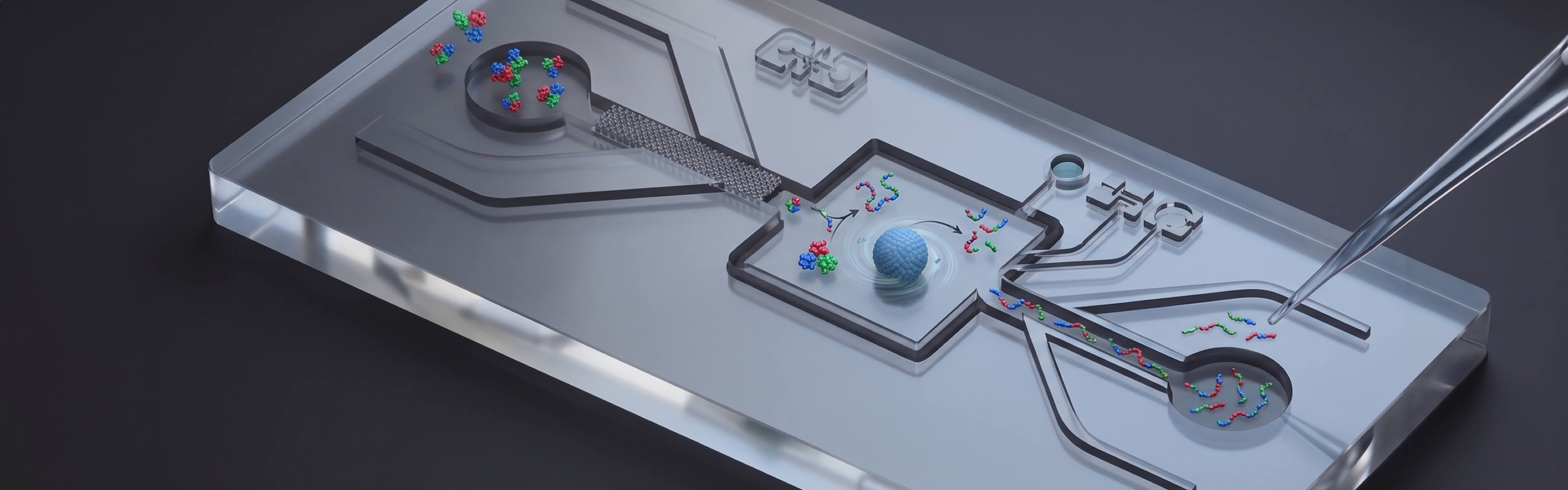
Product Introduction
Exosomes are EVs with diameters ranging from approximately 40 to 160 nanometers (average approximately 100 nanometers). Exosomes are key mediators of intercellular communication, playing a central regulatory role in various fundamental physiological and pathological processes, including immune regulation, tissue repair, tumor microenvironment remodeling, and programmed cell death, by delivering molecules such as proteins and nucleic acids. Dysfunction or abnormal expression of exosomes is clearly associated with major diseases such as tumors, inflammatory diseases, metabolic fatty liver, premature ovarian failure, and cardiovascular and neurological disorders. Based on these characteristics, exosomes are not only an important window into understanding disease mechanisms but also, as highly promising non-invasive diagnostic biomarkers and natural drug delivery carriers, offer novel intervention strategies and translational directions for precision medicine.
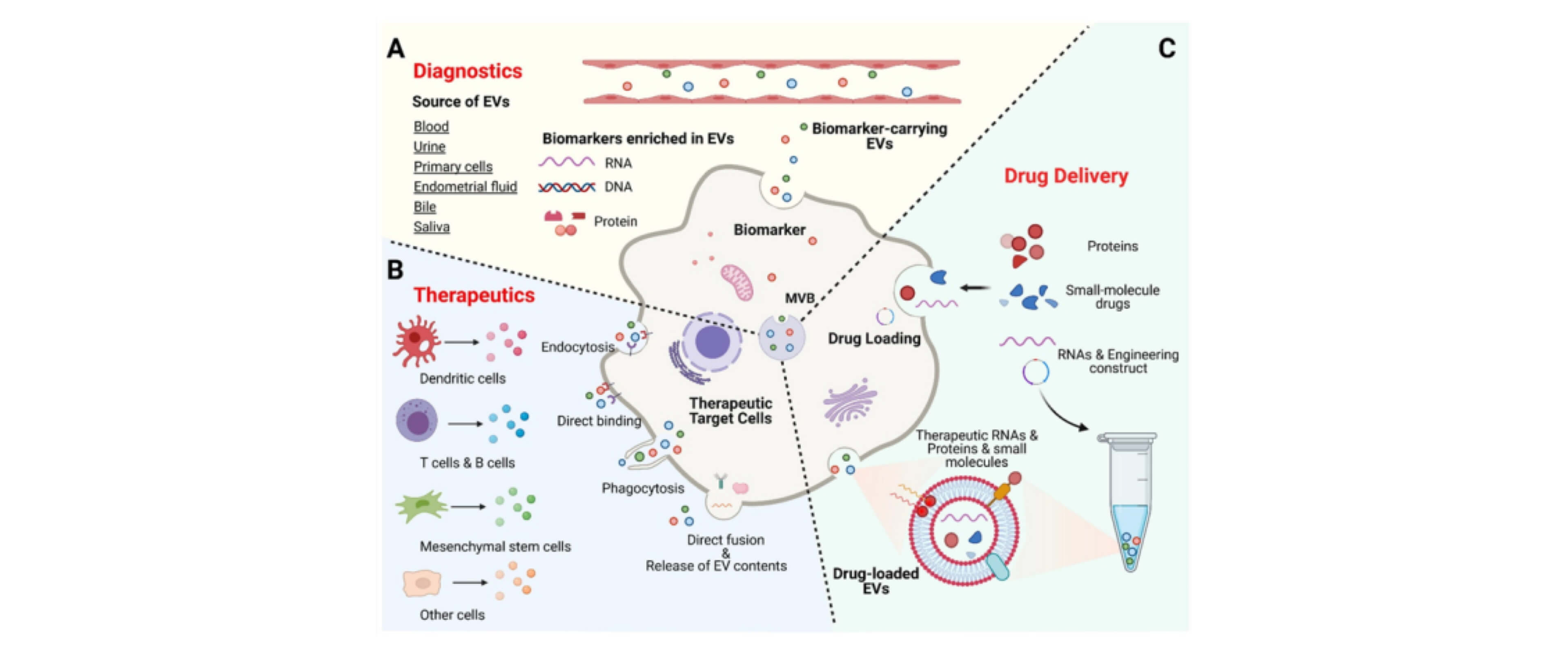 Wininnovate Bio's exosome proteomics service encompasses three main areas: exosome isolation and purification, exosome morphology and molecular characterization, and exosome omics analysis. It provides a one-stop solution to all your challenges, enabling you to obtain accurate and reliable data results.
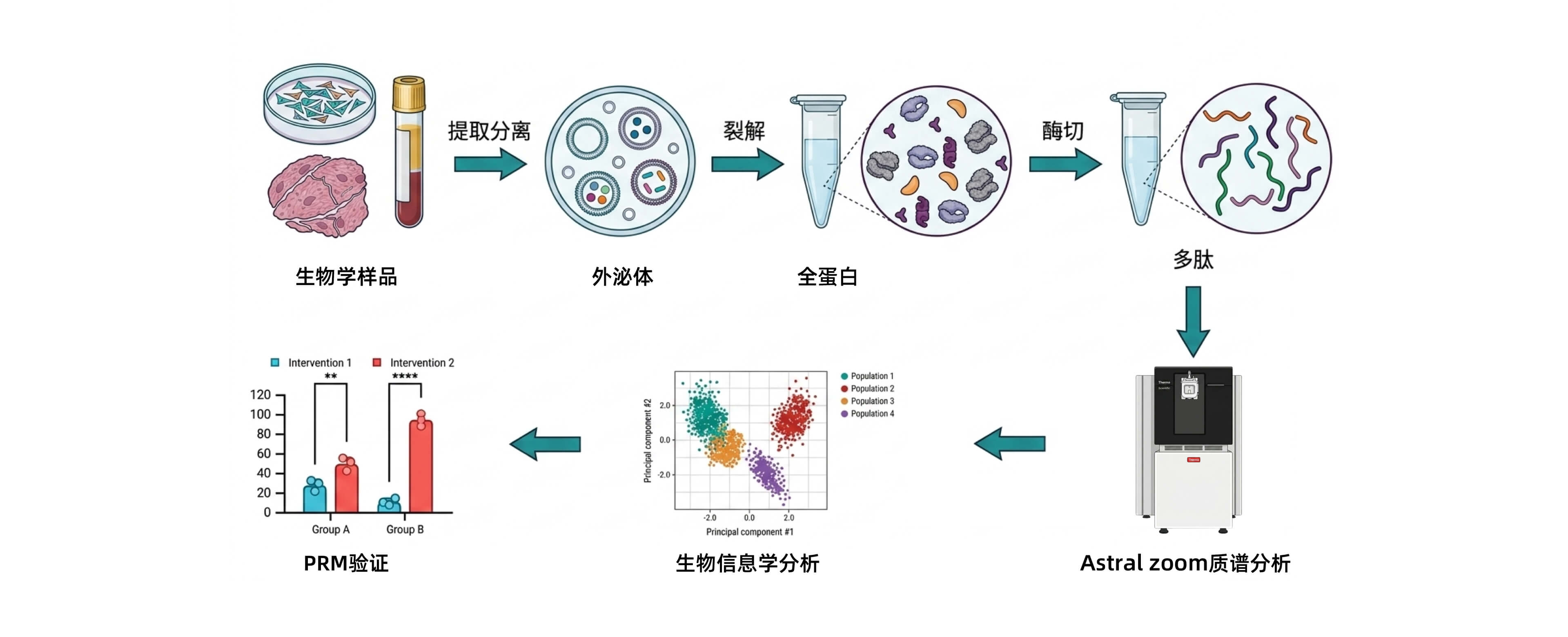
Technical Process
Delivery Content
- Exosome Quality Control: NTA particle concentration and size, TEM transmission electron microscopy detection
- Quality Control Analysis: Kernel density plot; Box plot; Violin plot
- Identification and Analysis: Statistical analysis of identification and quantitative results; PCA plot; Quantitative heatmap
- Expression Difference Analysis: Statistical analysis of differences; Bar chart of differences; Volcano plot; Cluster analysis plot; Correlation heatmap
- Functional Analysis: GO functional analysis; KEGG pathway analysis; PPI protein interaction network analysis; GSEA analysis
Sample Submission Requirements
- Sample Type
- Cell Culture Supernatant
- Sample Quantity
- 50-100 mL, repeated ≥3 times
- Sample Type
- Tissue
- Sample Quantity
- 10-50mg, ≥6 in animals, >15 in clinical trials
- Sample Type
- Serum/Plasma
- Sample Quantity
- 1 mL, ≥6 in animals, >15 in clinical trials
- Sample Type
- Cerebrospinal fluid, Synovial fluid, Lymphatic fluid, Epididymal fluid
- Sample Quantity
- 15mL, ≥6 in animals, >15 in clinical trials
- Sample Type
- Saliva, Tears
- Sample Quantity
- 4mL, ≥6 in animals, >15 in clinical trials
- Sample Type
- Urine
- Sample Quantity
- 10-30ml, ≥6 in animals, >15 in clinical trials
- Sample Type
- Plant
- Sample Quantity
- 10-50g, repeated ≥6 times
| Sample Type | Sample Quantity |
|---|---|
| Cell Culture Supernatant | 50-100 mL, repeated ≥3 times |
| Tissue | 10-50mg, ≥6 in animals, >15 in clinical trials |
| Serum/Plasma | 1 mL, ≥6 in animals, >15 in clinical trials |
| Cerebrospinal fluid, Synovial fluid, Lymphatic fluid, Epididymal fluid | 15mL, ≥6 in animals, >15 in clinical trials |
| Saliva, Tears | 4mL, ≥6 in animals, >15 in clinical trials |
| Urine | 10-30ml, ≥6 in animals, >15 in clinical trials |
| Plant | 10-50g, repeated ≥6 times |
References
Lam SM A multi-omics investigation of the composition and function of extracellular vesicles along the temporal trajectory of COVID-19 Nat Metab, 2021;3(7):909-922.

Shenzhen Wininnovate Bio Co., Ltd.
Innovative mass spectrometry and AI technologies provide protein and metabolite mass spectrometry multi-omics solutions for life science research, empowering the growth of the biotechnology, pharmaceutical, and healthcare industries.


