

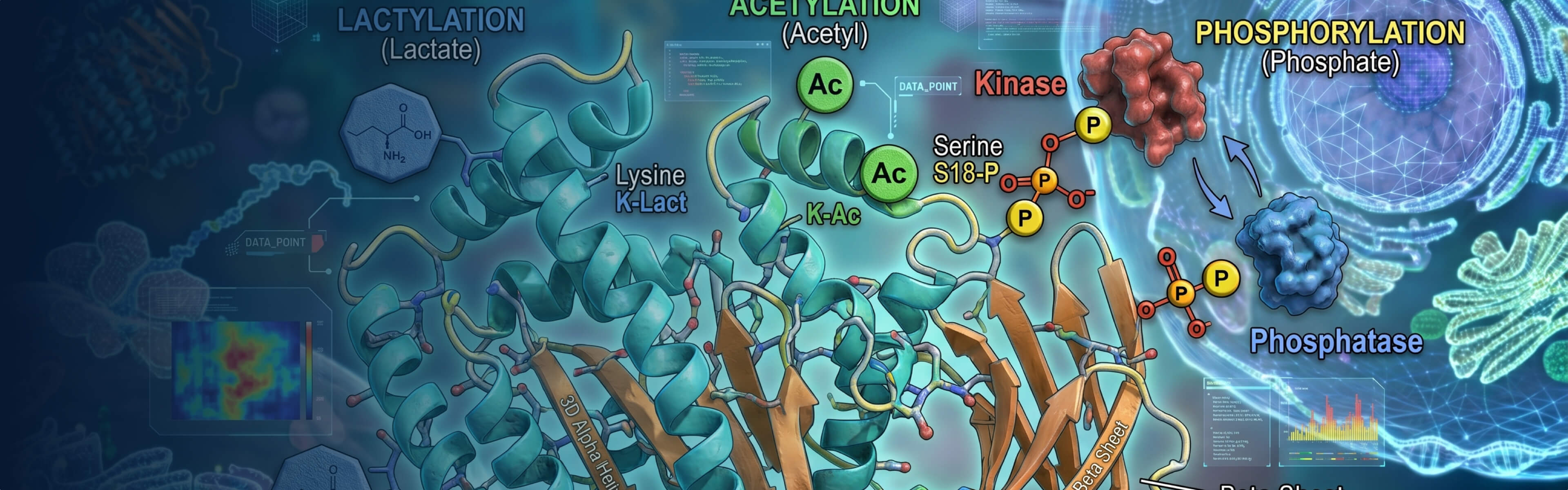
Product Overview
Phosphorylation is one of the most critical post-translational regulatory mechanisms in cells. Protein kinases transfer phosphate groups from ATP/GTP to serine, threonine, or tyrosine residues of substrate proteins, followed by dephosphorylation catalyzed by phosphatases. This reversible process is a core regulatory switch for physiological activities such as DNA damage repair, signal transduction, and apoptosis. Abnormalities in this modification are closely related to tumorigenesis, neurodegenerative diseases, metabolic disorders, and immune dysregulation, making it an important entry point for disease mechanism research and targeted drug development (such as kinase inhibitors). Mass spectrometry-based phosphorylation modification technique, by detecting a characteristic mass shift of 79.97 Da, can achieve high-throughput, high-sensitivity identification of phosphorylated peptides and sites, providing a powerful tool for accurately analyzing kinase signaling networks, discovering disease biomarkers, and identifying drug targets.
Technical Process
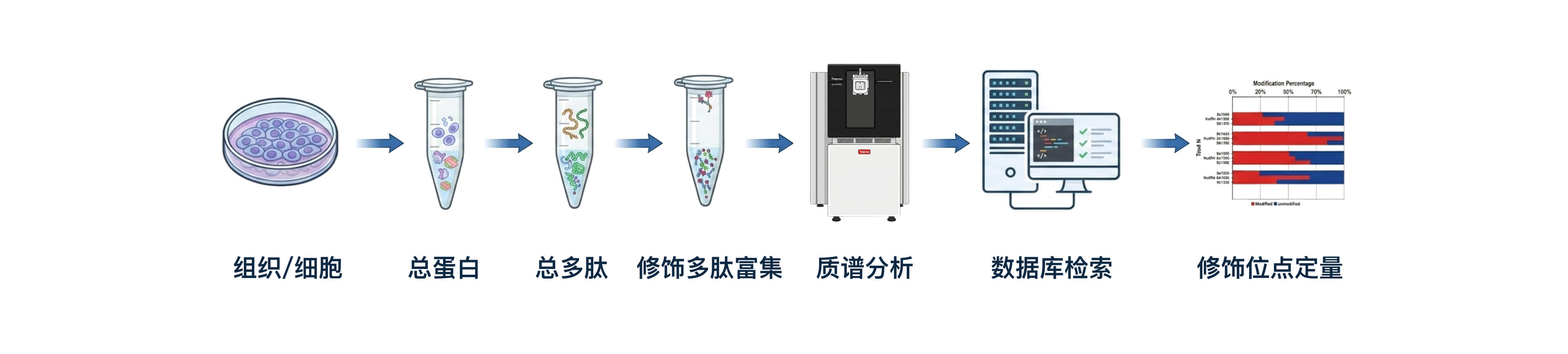
Schematic diagram of phosphorylation modification omics process route
Phosphorylation method
Phosphorylation enrichment methods mainly include immobilized metal ion chromatography (IMAC), metal oxide chromatography (MOAC), Phos-Tag functionalized materials, affinity enrichment methods, chemical labeling methods, and commercially available enrichment kits.
Wininnovate Bio uses the IMAC method to enrich phosphopeptides for omics samples and the TiO2 method to enrich phosphopeptides for IP samples or trace samples such as gel strips.

Common phosphorylation enrichment methods
Applications
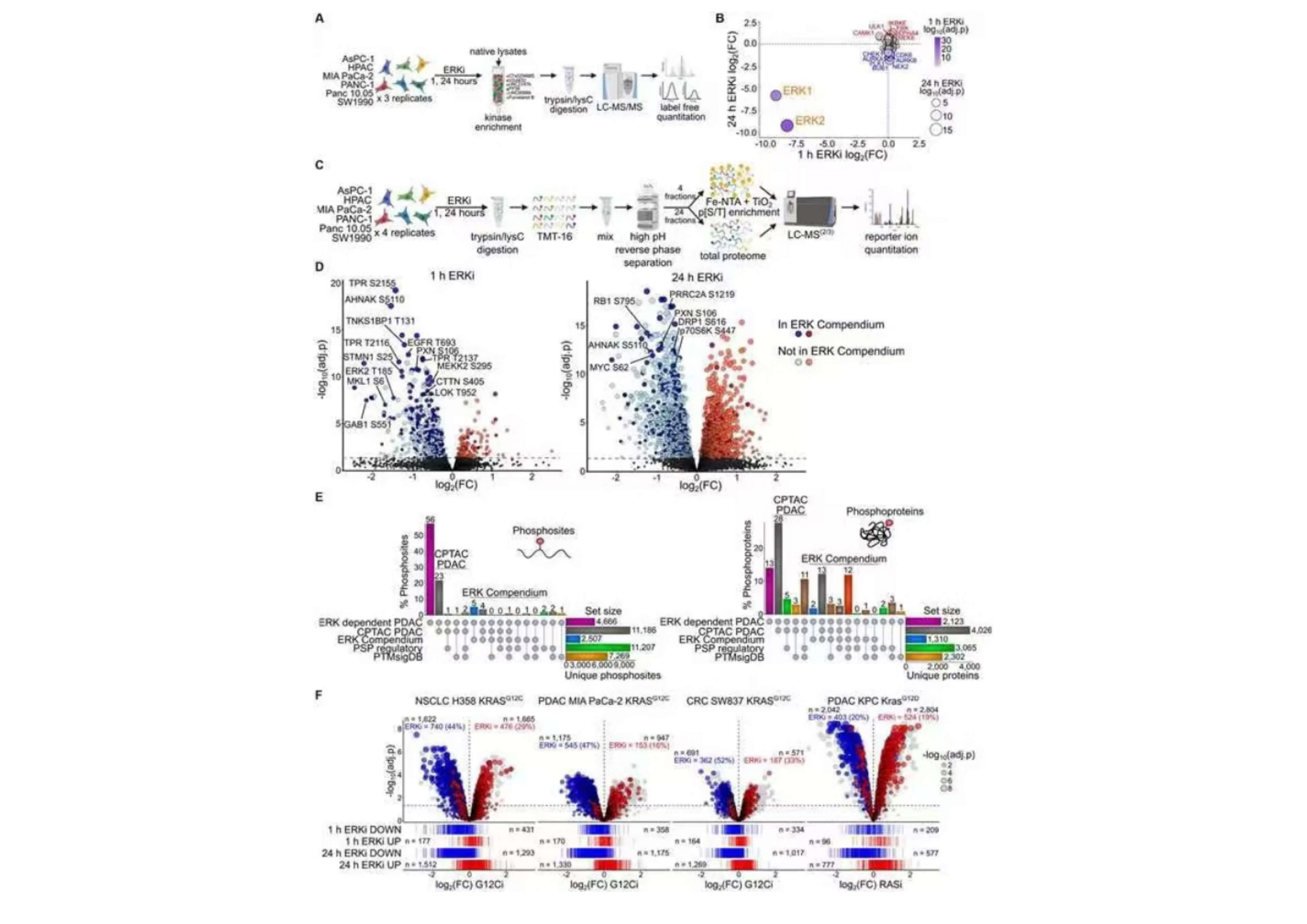
English Title:Determining the ERK-regulated phosphoproteome driving KRAS-mutant cancer
Impact Factor:45.8
Journal:Science
Research Content:This study systematically mapped the full phosphorylation proteome of ERK kinase in KRAS-mutant cancers. ERK is a core effector kinase in the MAPK signaling pathway, while KRAS mutations are the most common oncogenic driver mutations in various solid tumors. Using quantitative phosphorylation modification techniques, the research team comprehensively identified the phosphorylation substrates directly regulated by ERK, revealing the key driving mechanism of the ERK signaling network in KRAS-mutant cancers, and providing an important molecular target map for developing precision therapeutic strategies targeting the KRAS-ERK pathway.
Sample Submission Requirements
- Sample
- Routine Animal Tissues (brain, liver, spleen, lung, kidney, muscle, etc.)
- Specification
- 50mg-1g
- Sample
- Plant Tissues (leaves, flowers, etc.)
- Specification
- 0.5-5g
- Sample
- cell
- Specification
- 2-5*10^7
| Sample | Specification |
|---|---|
| Routine Animal Tissues (brain, liver, spleen, lung, kidney, muscle, etc.) | 50mg-1g |
| Plant Tissues (leaves, flowers, etc.) | 0.5-5g |
| cell | 2-5*10^7 |
References
Klomp JE, Diehl JN, Klomp JA, Edwards AC, Yang R, Morales AJ, Taylor KE, Drizyte-Miller K, Bryant KL, Schaefer A, Johnson JL, Huntsman EM, Yaron TM, Pierobon M, Baldelli E, Prevatte AW, Barker NK, Herring LE, Petricoin EF 3rd, Graves LM, Cantley LC, Cox AD, Der CJ, Stalnecker CA Determining the ERK-regulated phosphoproteome driving KRAS-mutant cancer Science, 2024 Jun;7;384(6700):eadk0850.DOI: 10.1126/science.adk0850. Epub 2024 Jun 7. PMID: 38843329; PMCID: PMC11301400
Ruprecht B, Koch H, Medard G, Mundt M, Kuster B, Lemeer S Comprehensive and reproducible phosphopeptide enrichment using iron immobilized metal ion affinity chromatography (Fe-IMAC) columns Mol Cell Proteomics, 2015 Jan;14(1):205-15.DOI: 10.1074/mcp.M114.043109. Epub 2014 Nov 13. PMID: 25394399; PMCID: PMC4288255
Mertins P, Tang LC, Krug K, Clark DJ, Gritsenko MA, Chen L, Clauser KR, Clauss TR, Shah P, Gillette MA, Petyuk VA, Thomas SN, Mani DR, Mundt F, Moore RJ, Hu Y, Zhao R, Schnaubelt M, Keshishian H, Monroe ME, Zhang Z, Udeshi ND, Mani D, Davies SR, Townsend RR, Chan DW, Smith RD, Zhang H, Liu T, Carr SA Reproducible workflow for multiplexed deep-scale proteome and phosphoproteome analysis of tumor tissues by liquid chromatography-mass spectrometry Nat Protoc, 2018 Jul;13(7):1632-1661.DOI: 10.1038/s41596-018-0006-9. PMID: 29988108; PMCID: PMC6211289

Shenzhen Wininnovate Bio Co., Ltd.
Innovative mass spectrometry and AI technologies provide protein and metabolite mass spectrometry multi-omics solutions for life science research, empowering the growth of the biotechnology, pharmaceutical, and healthcare industries.


