

Product Overview
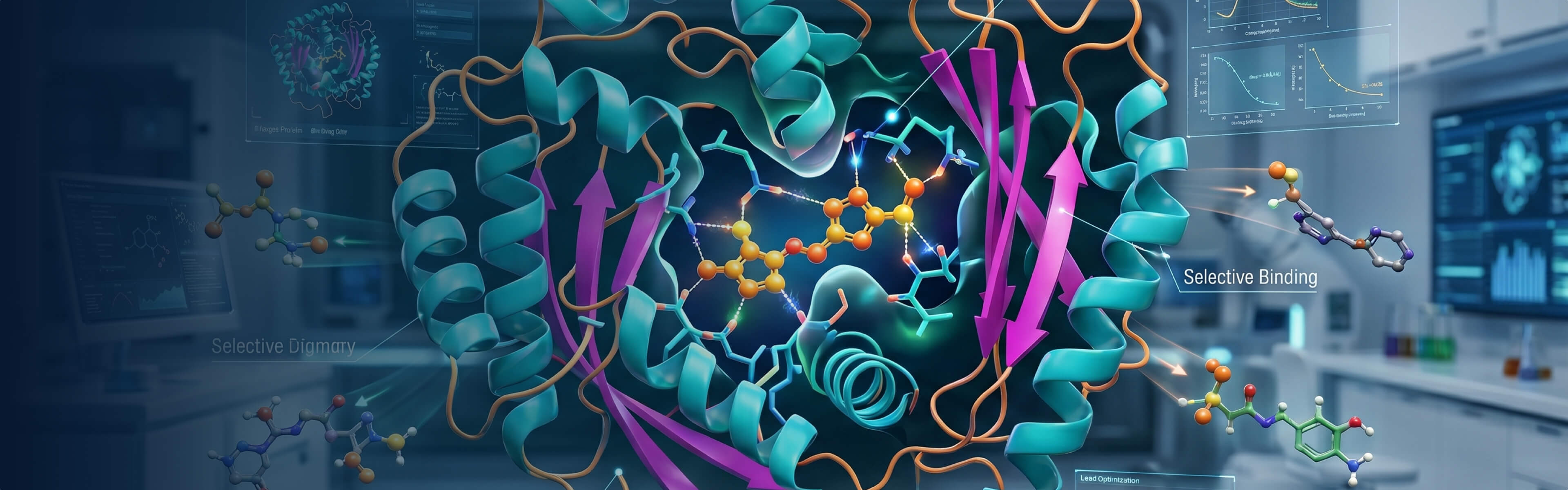
TPP (Thermal Proteome Profiling), also known as MS-CETSA, is an integrated method combining thermal cell drift assay (CETSA) and quantitative mass spectrometry (MS). This technique systematically assesses the thermal stability of the entire proteome by detecting changes in the abundance of soluble proteins in cells or cell lysates at different heating temperatures. The thermal stability of proteins can change when they interact with small molecules (such as drugs or metabolites), nucleic acids, or other proteins, or when they undergo post-translational modifications. TPP utilizes the difference in protein thermal stability before and after ligand binding to identify target proteins. Currently, TPP has been successfully applied to the identification of drug targets and off-target effects, as well as the study of protein-metabolite and protein-protein interactions.
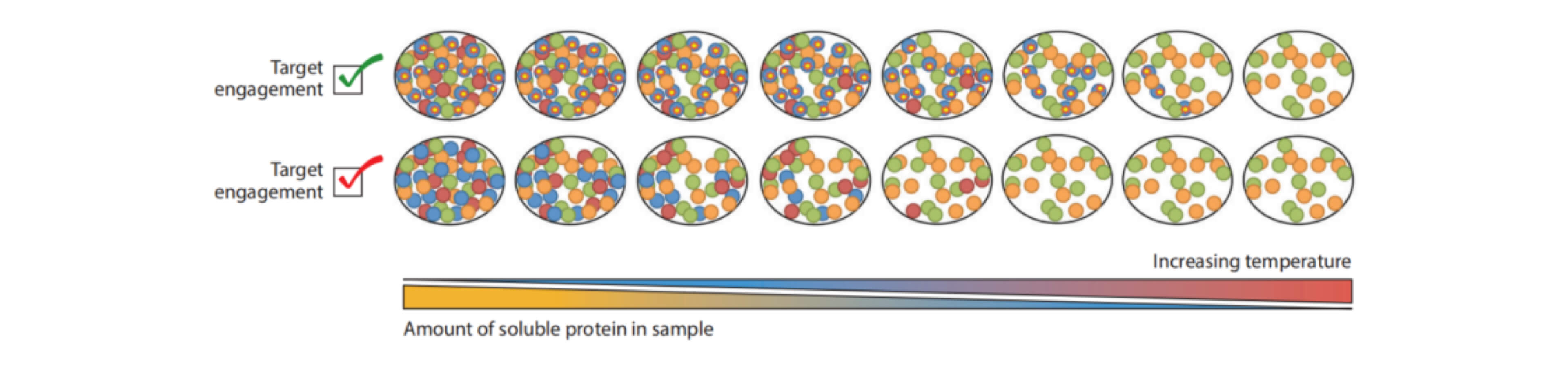
TPP (Thermal Proteome Profiling) Schematic Diagram
Technical Process
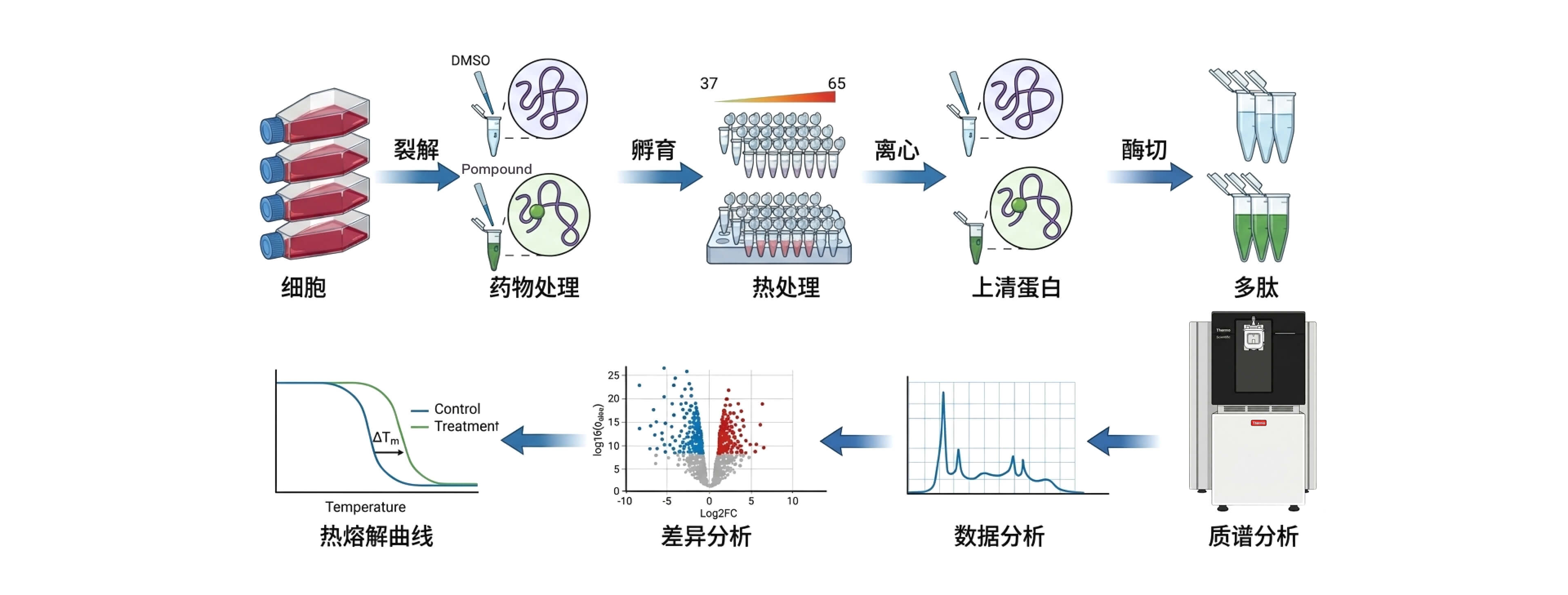
Schematic diagram of TPP (Thermal Proteome Profiling) process route
Case Studies
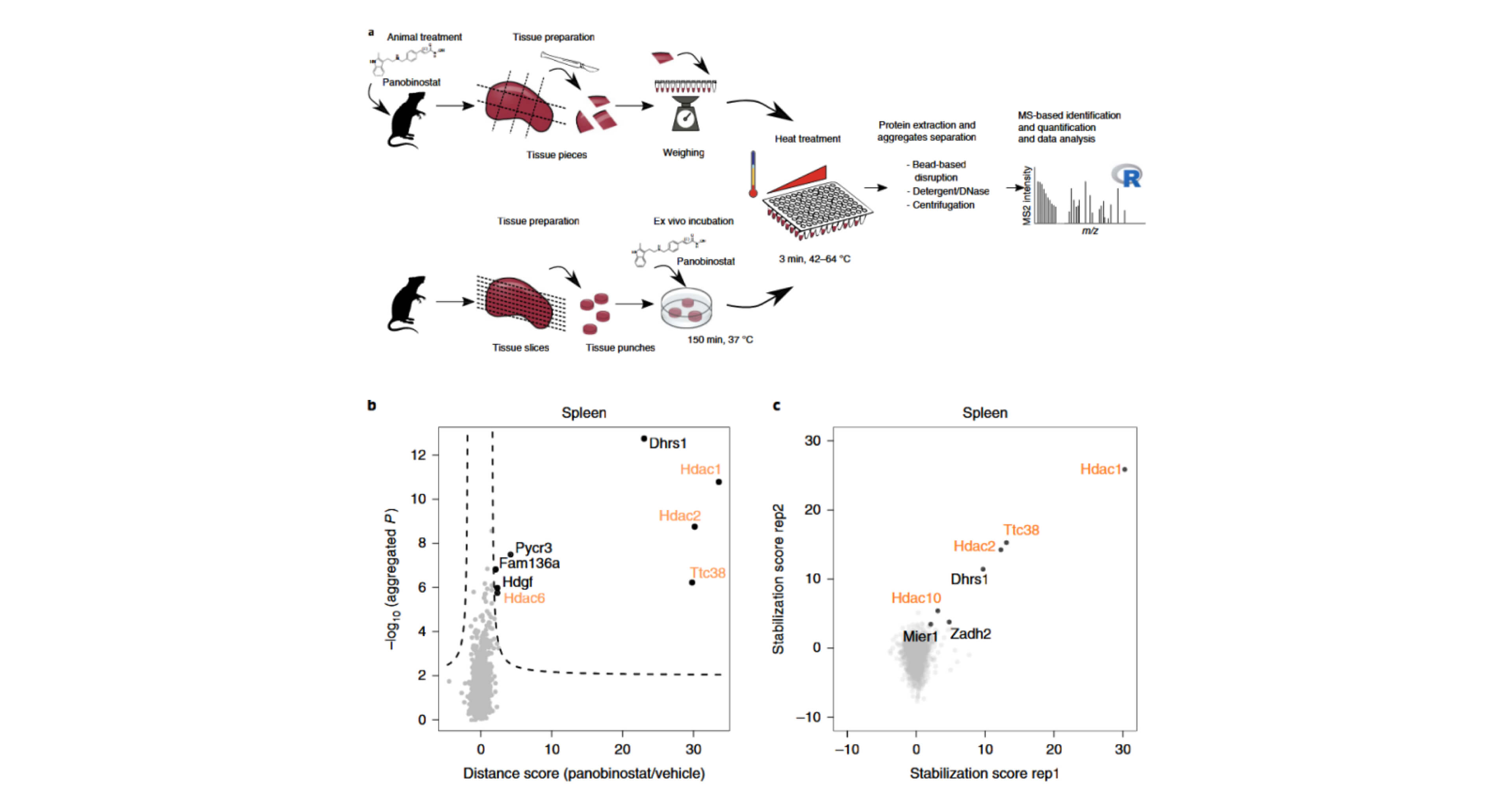
English Title:Identifying drug targets in tissues and whole blood with thermal-shift profiling
Impact Factor:41.7
Journal:Nature Biotechnology
Research Content:This study developed tissue-TPP and whole-blood-TPP technologies to unbiasedly identify targets and off-target proteins of small molecule drugs in animal tissues and human whole blood. Taking the histone deacetylase inhibitor pabisostat as an example, not only were stability changes of known targets detected in rat liver, lung, kidney, and spleen, but organ-specific off-target proteins were also discovered. Simultaneously, whole-blood-TPP analysis identified the stabilizing effect of pabisostat on the zinc finger protein ZNF512 in human blood; this effect depends on its hydroxamic acid group and is common to other HDAC inhibitors. These thermal proteomics experiments revealed the tissue selectivity and novel off-target effects of drug-protein interactions in vivo, providing crucial molecular evidence for understanding drug mechanisms of action and potential adverse reactions.
English Title:Systematic analysis of drug combinations against Gram-positive bacteria
Impact Factor:19.4
Journal:Nature Microbiology
Research Content:This study systematically screened thousands of drug combinations targeting three Gram-positive bacteria, discovering numerous previously unreported synergistic or antagonistic effects and validating the in vitro and in vivo effectiveness of some synergistic combinations in drug-resistant bacterial infection models. Furthermore, TPP (Thermal Proteome Profiling) analysis revealed the mechanism of action of the antiplatelet drug ticagrelor.

Sample Submission Requirements
- Sample
- Cell
- Specification
- T75 /set
- Remark
- 1*10^7/set
- Sample
- Bacteria
- Specification
- OD600~0.6 /set
- Remark
- Sample
- Tissue
- Specification
- 100mg /set
- Remark
- Sample
- Small Molecule Drugs
- Specification
- 100 mM,50 uL
- Remark
- The dosage concentration and preparation solvent must be provided
- Sample
- DMSO
- Specification
- 50 uL
- Remark
| Sample | Specification | Remark |
|---|---|---|
| Cell | T75 /set | 1*10^7/set |
| Bacteria | OD600~0.6 /set | |
| Tissue | 100mg /set | |
| Small Molecule Drugs | 100 mM,50 uL | The dosage concentration and preparation solvent must be provided |
| DMSO | 50 uL |
References
Perrin J, Werner T, Kurzawa N, et al Identifying drug targets in tissues and whole blood with thermal-shift profiling Nat Biotechnol, 2020;38(3): 303-308.DOI: 10.1038/s41587-019-0388-4
Cacace E, Kim V, Varik V, et al Systematic analysis of drug combinations against Gram-positive bacteria Nat Microbiol, 2023;8(11): 2196-2212.DOI: 10.1038/s41564-023-01486-9

Shenzhen Wininnovate Bio Co., Ltd.
Innovative mass spectrometry and AI technologies provide protein and metabolite mass spectrometry multi-omics solutions for life science research, empowering the growth of the biotechnology, pharmaceutical, and healthcare industries.


